
How to Know It’s Time to Switch Your BenAdmin Vendor — and How to Do It Smoothly

Changing your benefits administration (BenAdmin) platform isn’t something HR teams wake up excited to do. It sits in the same category as migrating payroll systems or prepping for an audit: necessary, impactful, and—if we’re honest—often more complicated than it should be.
But sometimes the signs pile up: messy data creating ripple-effect issues, support that’s hard to reach, or a system that simply hasn’t grown with your organization. When those moments arrive, the real question becomes: Is it time to switch benadmin vendors? And if so, how do you do it without derailing your team or your timelines?
This guide breaks down the indicators that it may be time for a change—and how to navigate the transition with confidence, clarity, and far fewer headaches.
Why Organizations Start Evaluating New BenAdmin Platforms (It’s Not Just OE Stress)
Yes, open enrollment software is a big part of the decision. But most employers don’t switch vendors because of just one painful OE season. Instead, the tipping points usually come down to a few consistent themes.
1. Your data is creating more problems than it’s solving
You can feel this one in your bones.
If eligibility files, payroll deductions, or demographic updates aren’t syncing correctly, everything downstream wobbles:
- Carrier mismatches
- Incorrect premiums
- Confused employees
- Reconciliation nightmares
Messy data is like sand in the gears: it slows everything down and eventually causes real damage.
2. You’ve outgrown your current platform
Sometimes the benadmin solution that once fit like a glove now feels more like a mitten when you need dexterity. Growth, new plan designs, acquisitions, and new integrations can expose the limitations of older systems. And as teams expand and benefits packages become more complex, many legacy platforms simply can’t keep up with the increased variability and administrative demands.
3. Support isn’t supporting you
Benefits teams shouldn’t need detective-level persistence to get answers or wait days for help during crunch time.
When you call, someone should pick up.
When something breaks, a human should step in.
When you ask a question, the answer shouldn’t be an FAQ link.
Support issues are often the “last straw” moment for HR teams.
4. Costs keep rising while value stays flat
Sometimes the fee structure creeps up year after year, even though your experience isn’t improving. Other times, surprise charges arrive for things you assumed were included.
5. Compliance is becoming harder, not easier
Between ACA, COBRA, and state-level mandates, your benefits administration software should help you maintain compliance—not require constant workarounds or post-it-note reminders.
6. Employee experience has fallen behind
Today’s employees expect intuitive tools—mobile-friendly, clear, and simple.
If your platform feels clunky or outdated, engagement suffers, and your HR inbox gets a lot noisier.
When These Issues Build Up, HR Feels the Impact First
A benefits administration system touches nearly every part of the employee lifecycle. When it’s working well, no one thinks about it. When it isn’t, every department feels it.
The truth is simple: most organizations don’t switch their benadmin vendor because they want more bells and whistles.
They switch because they want fewer problems.
So How Do You Switch BenAdmin Vendors Smoothly?
Changing platforms doesn’t have to feel like a major construction project. With the right approach (and a partner who knows how to implement well), it becomes a structured, predictable, and refreshingly manageable process.
Below is a roadmap that works for most employers—whether you’re a 200-person nonprofit or a multi-site organization navigating complex eligibility.
1. Start with a clear needs assessment
Think of this as your blueprint.
Identify:
- What’s working
- What’s not
- What’s causing the most friction
- What you wish your system could do
This clarity guides both vendor selection and implementation planning.
2. Evaluate whether your next partner can handle your data
Data accuracy is the foundation of a successful benefits program.
Ask prospective vendors:
- How do you validate data before migration?
- How do you prevent mismatches between HRIS, payroll, and carriers?
- What controls exist to reduce manual corrections?
A great platform doesn’t just hold your data—it keeps it clean.
3. Map out your transition timeline early
This includes:
- Data extraction
- Configuration
- Mapping plans and eligibility rules
- Integrations
- Testing
- Training
- Go-live
A thoughtful timeline reduces stress and keeps your OE—or any other busy season—on track.
4. Prioritize employee communication
Switches can create uncertainty if employees are left in the dark. Communication is one of the most overlooked (and most powerful) parts of a smooth transition.
When employees understand what’s changing, why it matters, and what to expect, adoption increases and support tickets decrease.
5. Understand the service model you’re getting
A benadmin platform is only as strong as the people supporting it.
Look for:
- Real humans who answer the phone
- A dedicated team
- Clear escalation points
- Transparent communication
Technology matters.
But support is what makes the technology actually work for you.
6. Consider your future—not just your current needs
Choose a partner who can grow with you, not one you’ll outgrow in two years. That includes:
- Additional product modules
- Integration flexibility
- Benefits compliance support
- Personalized communication capabilities
- Scalable data architecture
A modern benadmin solution should enhance—not limit—your long-term benefits strategy.
Where Selerix Supports a Smoother Transition
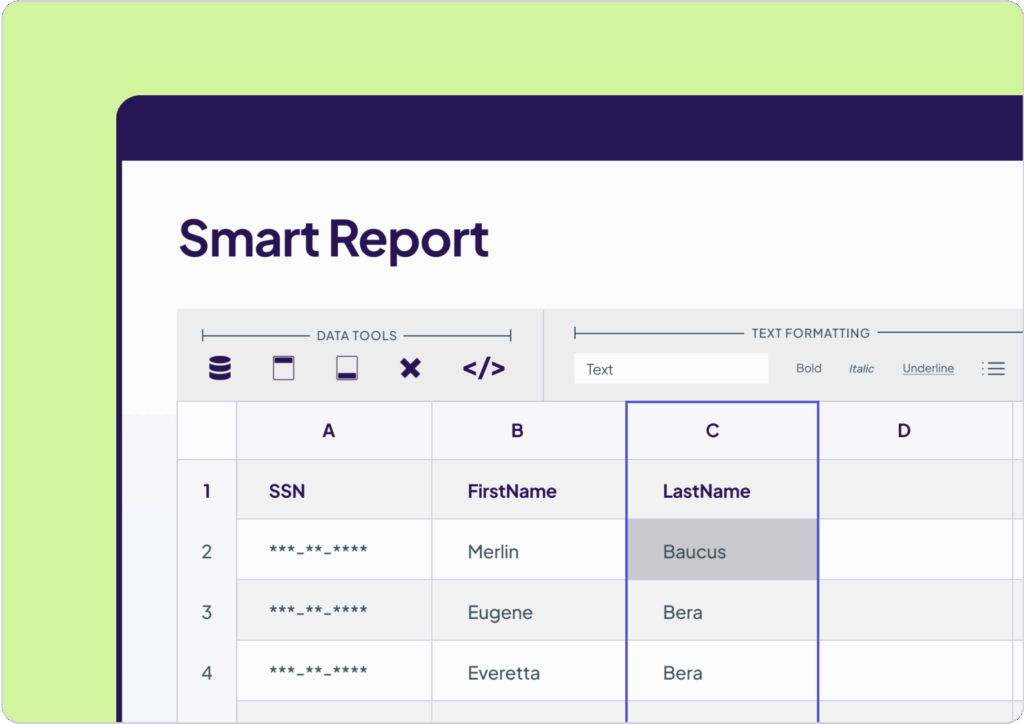
✔ Data cleanliness, end-to-end
Clean data reduces errors, speeds up implementations, prevents billing issues, and cuts down administrative headaches.

✔ Support that actually answers the phone
Our teams are known for picking up, following through, and going the extra mile—not because it’s flashy, but because it’s the right way to work.
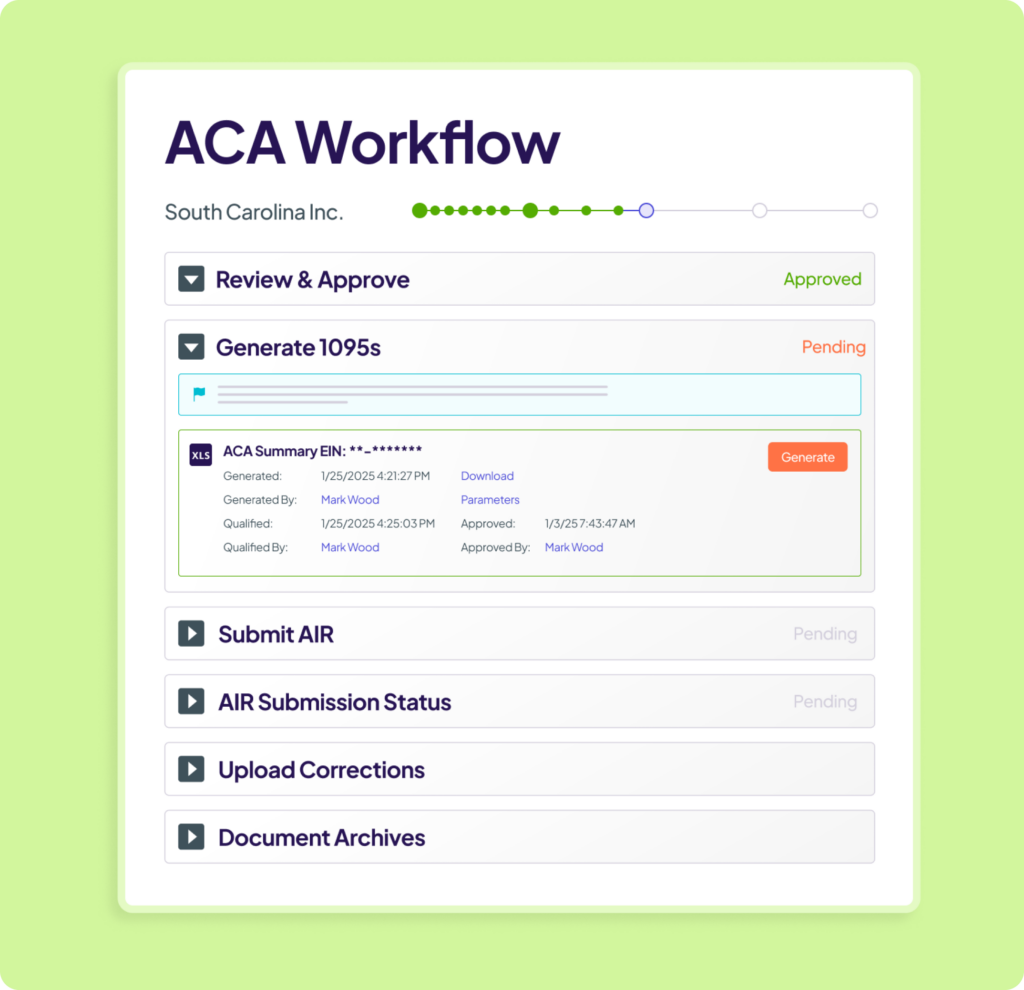
✔ ACA Compliance built-in (or standalone)
Whether you’re using Selerix for full benefits administration or simply need a reliable ACA solution, compliance should feel predictable—not stressful.
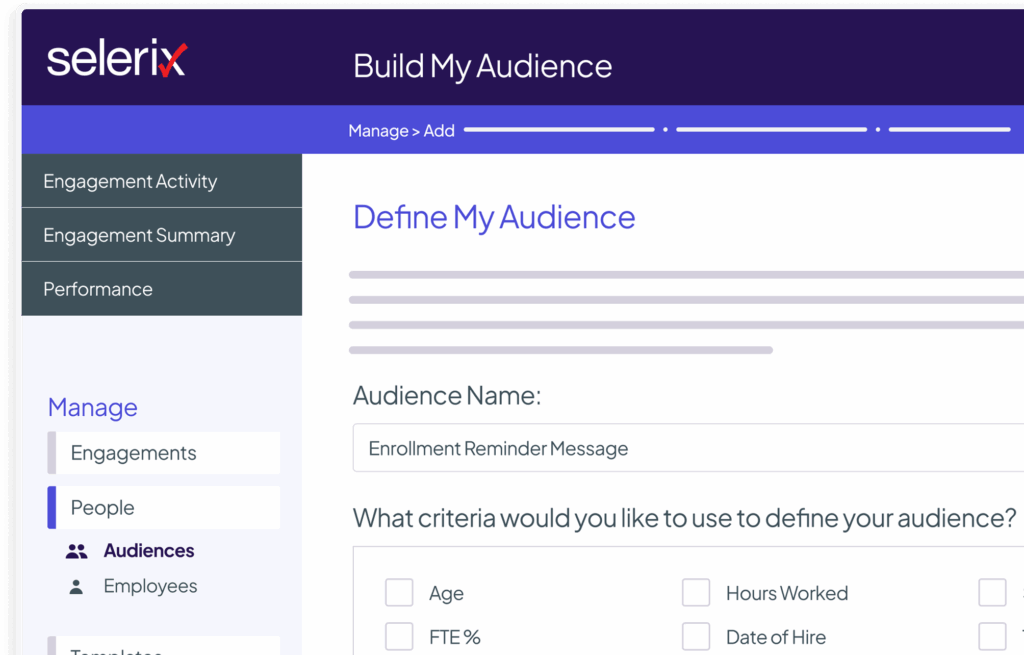
✔ Employee communication tools that keep your workforce informed
Enrollment reminders, plan updates, compliance notices…communication isn’t a “nice to have.”
It’s the glue that holds a benefits program together.
Final Thoughts: Switching Vendors Isn’t About Change—It’s About Improvement
You don’t switch your benadmin platform because it’s trendy.
You switch because the tools you rely on should support you—not slow you down.
When:
- data gets messy,
- support becomes unreliable,
- climbing costs without value,
- compliance becomes too risky,
- or your organization simply evolves…
…it may be the right moment to explore a better fit.
The transition doesn’t have to be painful. With the right plan—and the right partner—you can move to a system that reduces headaches, supports your strategy, and makes your benefits program stronger for years to come.
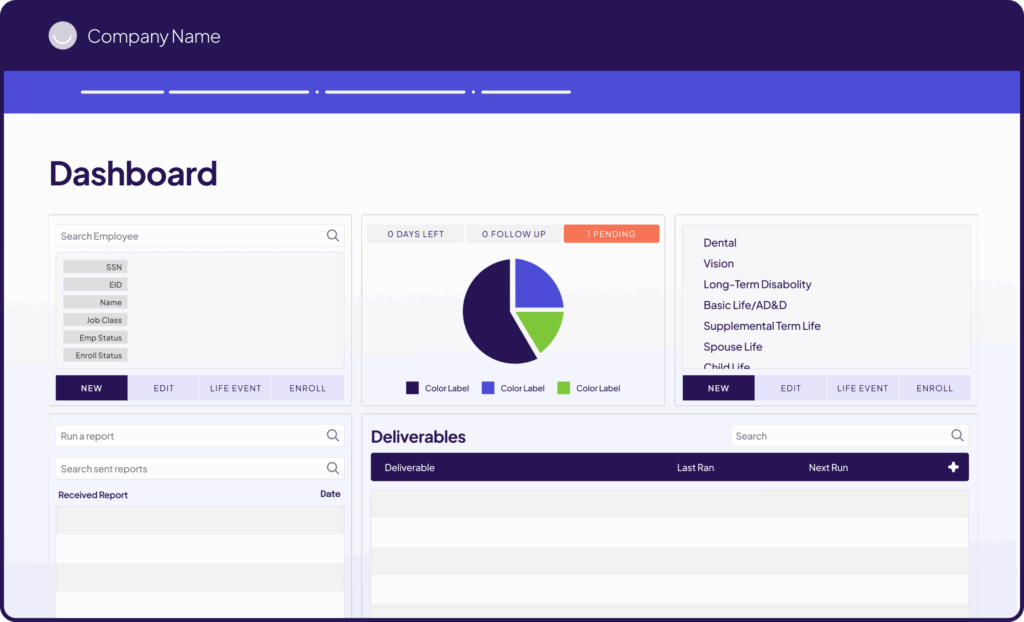
Get a Tour of the Platform
Selerix’s software empowers organizations of all sizes to simplify benefits administration, employee engagement, and ACA compliance. Your solutions demo will cover our comprehensive solution and answer any questions you have.

